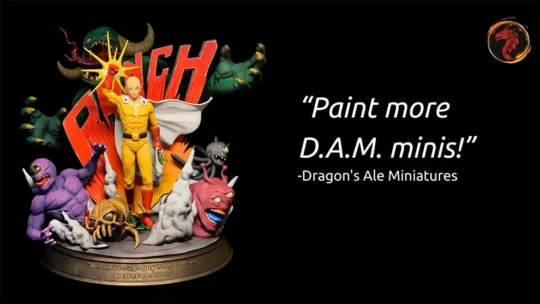
Minis that survive the table, the post, and the mail.
TGM-7, AMD-3, and SiOmaster are built for studios printing tabletop, display, and collector miniatures at production volume. Thin features hold together through gameplay, shipping, and customer hands while keeping the detail you worked hard for. Toughness without losing detail, and consistency you can plan production around.
Trusted by 600+ Professionals in Over 50 Countries
AmeraLabs - Your Partner in Tabletop Production
AmeraLabs Partners:




Why Miniature Makers Choose AmeraLabs
EU-Made
Developed, tested, and bottled at our facility in Kaunas, Lithuania. Same-day shipping on standard orders, no minimum quantity. Studios across Europe and North America have been printing with us since 2017.
Consistent
The TGM-7, AMD-3, or SiOmaster you dialled in last month works the same way this month. Raw materials tested before mixing, finished resin tested before bottling. Your production schedule stays predictable.
Professional Support
English-speaking support from people who print with TGM-7, AMD-3, and SiOmaster every day. Printer settings, support orientation, paint adhesion, anything else. Reach us and we will help.
Miniature Making Methods Compared
| Epoxy Casting | Metal Spin Casting | Resin 3D Printing | Siocast | Injection Molding | |
|---|---|---|---|---|---|
| Initial Investment | €500-2,500 | €3,000-15,000 | €400-6,000 | €10,000-30,000+ | €5,000-80,000/mold |
| Cost per Miniature | €6-15 | €1.50-4.00 | €0.35-1.00 | €0.15-0.60 | €0.10-0.50 |
| Design to First Piece | 1-2 days | 1-2 days | 3-8 hours | 24-48 hours | 8-20 weeks |
| Design Freedom | High | Good | Highest | High | Limited |
| Scalability | Labor-bound | Labor-bound | Add Printers | Add machines | Multiple molds |
Resins for Miniature Success
Our resins provide unmatched versatility and performance.
Upgrade your project today!
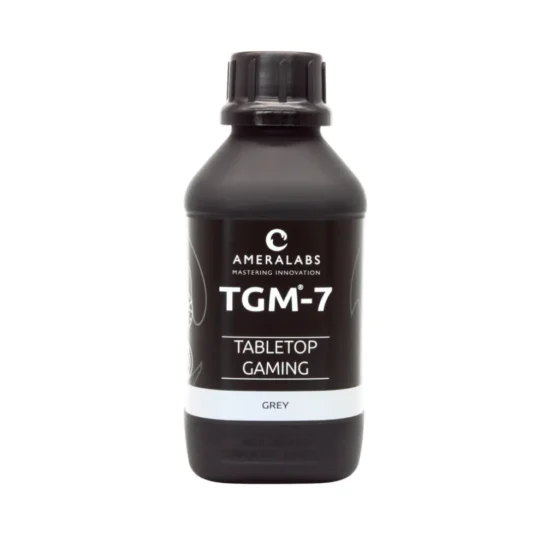
TGM-7
Tabletop minis that survive gameplay, shipping, and customer hands.

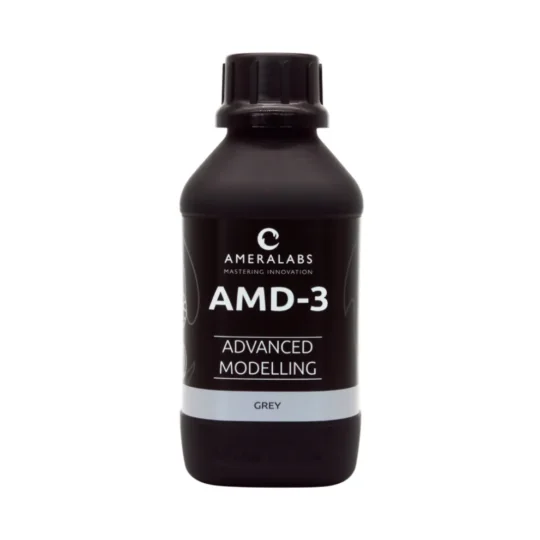
AMD-3
Sulfur-free mold masters for RTV platinum-cure silicone.
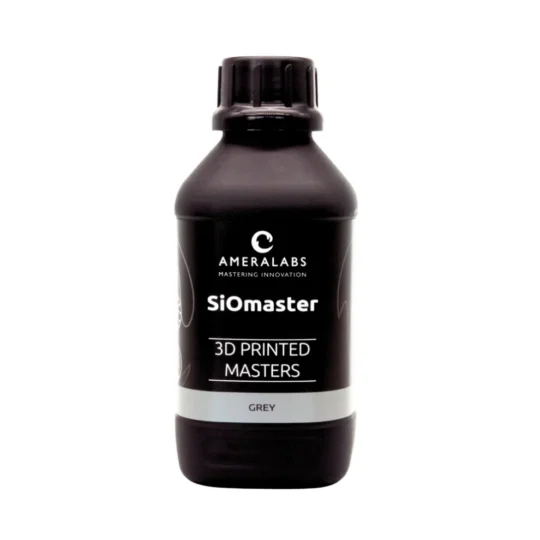
SiOmaster
Consistent for reusable SioCast miniature mold masters

Meet Ameralabs at Events!
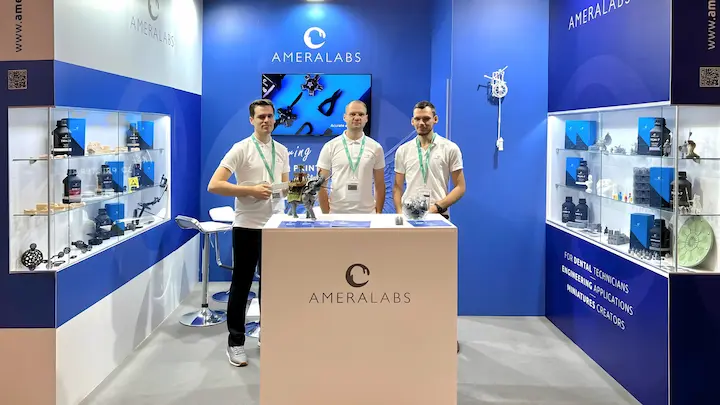
We exhibit at miniature and tabletop events across Europe and North America. Come say hello if you are building a studio or thinking about switching resins. We are happy to talk through your workflow in person.
Let’s Meet!Resins Crafted in Europe
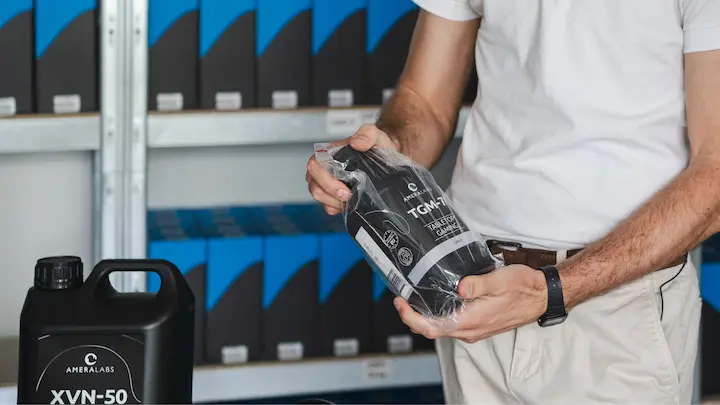
At AmeraLabs, we make every resin ourselves. No outsourcing, no third parties. Our team develops the formulas, manufactures each batch, and bottles every product right here in our European facility.
Shop now
Resins for Miniature Success
Frequently asked questions
Why do swords and spears keep snapping off my minis?
Standard resins are too brittle for thin features and snap under normal handling or shipping. TGM-7 has 61.6% strain at break (ISO 527-5A), so delicate parts flex instead of breaking. Studios that switched to TGM-7 report fewer broken-piece complaints and replacement orders.
The resin performs consistently across batches, so you can dial in your settings once and trust them on the next order. Removing supports before full post-cure also helps protect fine details.
How do I get sharper faces and crisper armor detail on my minis?
For most 28 to 32 mm tabletop minis, 50 µm layers with TGM-7 give clean results on faces, cloth folds, and armor textures. For competition or display work, 25 to 35 µm adds extra sharpness.
The resin holds fine detail at both layer heights. Check our settings library for starting exposures for your specific printer. For production work, 50 µm is the practical sweet spot because it balances quality and print time.
Why won't paint stick to my resin minis?
Paint usually fails to stick because of incomplete post-curing or residue left after washing. Wash thoroughly in IPA, post-cure until the surface is fully non-tacky, and let the print dry for 24 hours before priming.
TGM-7’s hard surface accepts both spray and brush primers well after that. A light 400 to 600 grit scuff helps on smooth armor plates. Proper post-curing is the step most people miss when paint adhesion fails.
How do I remove supports without damaging fine details?
Remove supports before post-curing, while the print is still slightly flexible. After full cure the material becomes more brittle and supports are harder to remove cleanly. Use flush cutters for main supports and a sharp hobby knife for small nubs.
This single workflow change protects a lot of delicate features. Studios doing production work tend to make it standard procedure.
How many minis can I expect from a 1 kg bottle?
A 1 kg bottle of TGM-7 typically produces 100 to 120 standard 28 to 32 mm minis, depending on geometry and support usage. Run a slicer estimate with your files for the most accurate number for your style of printing.
Heroes, monsters, and large vehicles use more resin per piece. Rank-and-file infantry pushes the count higher.
Is TGM-7 worth the higher price?
For production work or selling minis, the answer is usually yes. Fewer reprints, fewer broken pieces in transit, and consistent settings between bottles tend to recover the price difference quickly.
For very casual hobby printing, cheaper resins may be acceptable. Once volumes go up or pieces are sold, the lower failure rate makes the difference matter.
What is the best way to prime and paint TGM-7 prints?
Wash thoroughly, post-cure until non-tacky, and let the print rest 24 hours before priming. Both spray and brush primers (Citadel, Vallejo, Army Painter) work on the surface after proper preparation.
A light 400 to 600 grit scuff helps on smooth armor plates. The glossy hard surface holds primer well once the print is fully cured and dry.
How should I store printed minis long-term?
Keep printed minis out of direct sunlight and high heat. For display pieces under bright lights, a thin clear varnish helps prevent UV-related brittleness over years.
Normal indoor storage is fine for gaming minis. For pieces displayed under strong lights for years, a UV-protective clear coat is recommended.
Still have questions?
Whether you need more details, guidance, or clarification, we’re here to help.
Better Prints, Made Simple!
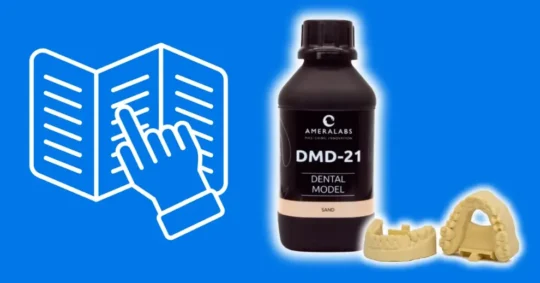
DMD-21 LED Dental Model Resin: Printing Guide
Introduction DMD-21 is a fast-curing dental model resin for MSLA and LCD printers. It prints...
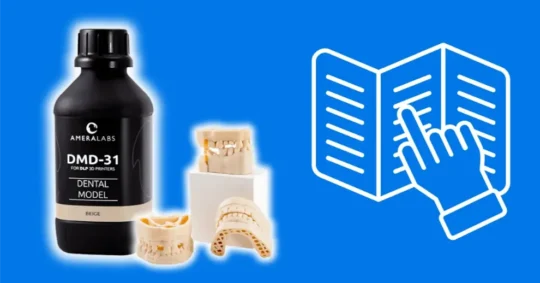
DMD-31 Resin Printing Guide
Dental Model Resin for MSLA and DLP Printers DMD-31 resin is a dental model resin...
Client Spotlight: Dragon’s Ale Minis
Introduction Isaac Cothern, the person behind Dragon’s Ale Minis, spends his working hours as a...